
How to Value a Laundromat: A Defensible Approach Buyers and Lenders Use
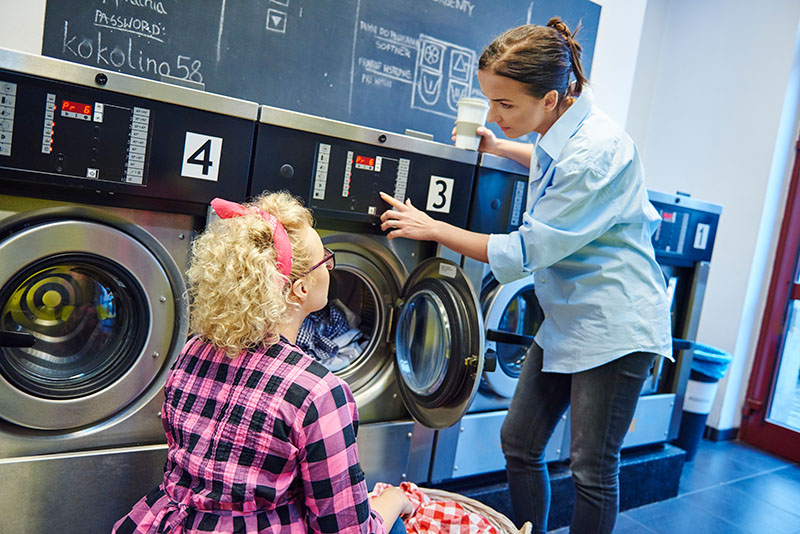
Laundromats are often viewed as stable, cash-flow-oriented businesses with recurring customer demand. Because of this, they attract interest from individual buyers, strategic operators, and lenders. However, when an owner begins planning a sale, refinancing, partner transition, or estate strategy, one critical question must be answered first: how to value a laundromat in a way that is credible, defensible, and aligned with market expectations.
A professional valuation does not rely on informal rules of thumb or generalized multiples. Instead, a defensible laundromat valuation interprets historical financial performance to determine fair market value. Buyers and lenders rely on this financial interpretation to assess risk, sustainability, and future earning potential.
This article explains how to value a laundromat using recognized valuation standards, the financial drivers that influence value, and why a professional valuation is essential for informed decision-making.
What Does Value Mean in a Laundromat Valuation?
Before addressing how to value a laundromat, it is important to define the valuation standard being applied. Professional valuations are performed using fair market value, defined as the price at which a business would change hands between a willing buyer and a willing seller, when neither party is under compulsion and both have reasonable knowledge of the relevant facts.
Fair market value is commonly relied upon for:
- Business sales and acquisitions
- Financing and lender review
- Partner buyouts and ownership transitions
- Estate and gift planning
- Divorce and shareholder matters
A laundromat valuation prepared under this standard is grounded in financial evidence. Certified appraisers do not evaluate machine condition, cleanliness, customer behavior, or operational practices directly. Those factors influence value only to the extent they appear in revenue trends, margins, cash flow, and overall risk.
[INLINE_CTA]
How to Value a Laundromat Using a Financial Framework
Owners frequently ask how to value a laundromat because many laundromats appear similar operationally. In practice, valuation outcomes often differ materially based on financial performance and risk characteristics.
Certified appraisers rely on three recognized valuation approaches:
- Income Approach
- Market Approach
- Asset Approach, applied selectively
Each approach contributes to the final conclusion of value depending on the laundromat’s earnings profile, asset base, and sustainability of cash flow.
Key Financial Drivers That Influence Laundromat Valuation
While every business is unique, buyers and lenders consistently focus on the same financial drivers when evaluating laundromats. These drivers influence value through their impact on earnings, cash flow, and risk.
1. Revenue Stability and Consistency
Revenue stability is a foundational driver in laundromat valuation. Appraisers analyze:
- Historical revenue trends
- Month-to-month and year-over-year consistency
- Revenue volatility over time
Laundromats often benefit from recurring, non-discretionary demand. However, stability is not assumed. Appraisers evaluate how revenue appears in the financial statements across multiple reporting periods. Consistent revenue typically reduces perceived risk, which can support stronger valuation outcomes.
This financial analysis is central to understanding how to value a laundromat in a defensible way.
2. Profit Margins and Normalized Earnings
Profitability is one of the strongest indicators of value. When determining how to value a laundromat, certified appraisers analyze normalized earnings by adjusting for:
- Owner compensation above or below market levels
- Personal or discretionary expenses
- One-time or non-recurring costs
- Temporary repair or upgrade expenses
Key financial metrics often reviewed include EBITDA, Seller’s Discretionary Earnings, operating margins, and net income trends.
Laundromats with stable, repeatable earnings generally support stronger valuation conclusions because buyers have greater confidence in future cash flow.
3. Expense Structure and Operating Leverage
Expense structure affects value through its impact on margins and earnings sustainability. Appraisers analyze cost behavior over time, including:
- Utilities as a percentage of revenue
- Maintenance and repair expenses
- Labor costs, if applicable
- Lease or occupancy costs
- General and administrative expenses
Certified appraisers do not assess whether expenses are operationally optimal. Instead, they evaluate whether costs appear consistent, predictable, and aligned with historical performance. This financial interpretation is essential when evaluating how to value a laundromat.
4. Cash Flow and Capital Requirements
Cash flow plays a critical role in laundromat valuation due to the capital-intensive nature of equipment and ongoing maintenance needs. Appraisers analyze:
- Cash flow consistency
- Ongoing capital expenditure requirements
- Working capital needs
Strong, predictable cash flow often supports higher valuation outcomes because it reduces uncertainty for buyers and lenders.
5. Owner Dependency and Transferability
Owner involvement can influence perceived risk. If a laundromat’s financial performance is heavily dependent on the owner’s personal involvement, buyers may perceive greater transition risk.
Appraisers interpret owner dependency through financial indicators such as:
- Compensation structure
- Payroll allocation
- Earnings after normalization
- Management expense patterns
Reduced owner dependency generally improves transferability, which can positively influence a laundromat valuation.
[INLINE_CTA]
Valuation Approaches Used in Laundromat Valuations
A professional laundromat valuation typically relies on more than one valuation approach. Appraisers reconcile these approaches to arrive at a well-supported conclusion of value.
Income Approach
The income approach estimates value based on expected future earnings. Appraisers normalize historical financial statements, analyze earnings stability, and apply capitalization or discount rates that reflect business risk.
For laundromats with predictable earnings and limited volatility, the income approach often carries significant weight.
Market Approach
The market approach compares the laundromat to similar businesses that have recently sold. Appraisers analyze transaction data and apply valuation multiples to normalized earnings.
Transactions are filtered based on factors such as size, geographic region and transaction type. This ensures valuation conclusions reflect real-world market behavior rather than generalized benchmarks.
Asset Approach
The asset approach considers the fair market value of tangible assets, such as equipment and fixtures, net of liabilities. It is most relevant when earnings are inconsistent, the business is asset-intensive, or the valuation is balance-sheet driven.
For most operating laundromats, the asset approach is secondary and used to support income and market-based conclusions.
Documentation Needed for a Defensible Laundromat Valuation
Clear documentation is essential for determining how to value a laundromat reliably. Owners should prepare:
- Three to five years of tax returns and/or finanical statements
- Utility expense summaries
- Repair and maintenance records
- Lease agreements
- Debt schedules
Well-organized records reduce uncertainty and support buyer and lender confidence.
[INLINE_CTA]
Why Professional Laundromat Valuation Matters
Relying on informal pricing rules or anecdotal comparisons can lead to misaligned expectations and negotiation challenges. A professional laundromat valuation provides:
- A market-supported estimate of fair market value
- Credibility with buyers and lenders
- Reduced risk of disputes during due diligence
- Clear expectations for ownership transitions
For owners planning a sale, refinancing, or succession, understanding how to value a laundromat is a critical first step.
Know Your Value Before Making Key Decisions
A laundromat’s value is not determined by surface-level assumptions or generalized multiples. It is established through disciplined financial interpretation using recognized valuation standards. By focusing on revenue consistency, earnings quality, cash flow, and risk, certified appraisers determine value that buyers and lenders can rely on.
If you are preparing for a transaction or planning for the future, a professional laundromat valuation provides clarity, credibility, and confidence when it matters most.
