
Machinery and Equipment Appraisal: How Equipment Value Is Determined
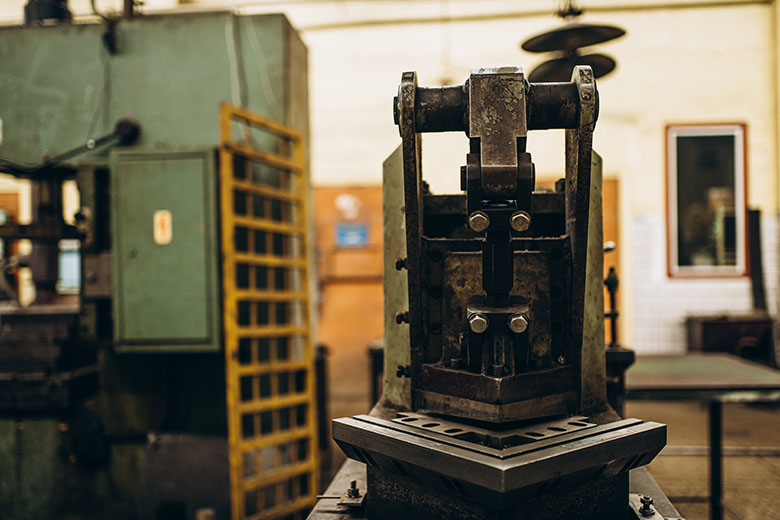
Machinery and equipment appraisal is a specialized process used to determine the fair market value of tangible business assets. Whether for financing, business transactions, insurance planning, litigation support, estate planning, or internal decision-making, equipment value should be supported by objective analysis rather than estimates, accounting records, or original purchase prices.
Unlike a business valuation, which focuses on earnings, cashflow, and intangible value, a machinery and equipment appraisal focuses on physical assets such as:
- Manufacturing machinery
- Construction and contracting equipment
- Commercial vehicles and trailers
- Medical, healthcare, and laboratory
- Material handling equipment
- Specialized tools and industry-specific equipment
- Office furniture, fixtures, and equipment (FF&E)
- Computers and technology equipment
Machinery and equipment appraisals are performed across a wide range of industries, including healthcare, manufacturing, construction, transportation, professional services, and distribution businesses.
Understanding how equipment value is determined can help business owners prepare for financing discussions, support transactions, and make more informed decisions regarding their assets.
Fair Market Value: The Primary Standard
Most machinery and equipment appraisals are performed using the fair market value standard.
Fair market value is generally defined as the price at whichproperty would change hands between a willing buyer and a willing seller whenboth parties are informed and neither is under compulsion to buy or sell.
In machinery and equipment appraisal assignments, fair market value often reflects what a willing buyer would pay for equipment in its current condition and location, assuming reasonable exposure to the marketplace.
Depending on the purpose of the appraisal, other value standards may sometimes be considered, including:
Orderly Liquidation Value (OLV)
Orderly liquidation value assumes the assets are sold over a limited but reasonable marketing period.
Forced Liquidation Value (FLV)
Forced liquidation value assumes an immediate sale under distressed conditions.
Because each value standard assumes different market conditions, the resulting conclusions may differ significantly.
What Is Included in a Machinery and Equipment Appraisal?
A machinery and equipment appraisal focuses on tangible business assets rather than the value of the business as a whole.
Typical assets may include:
- Construction and contracting equipment
- Manufacturing machinery
- Commercial vehicles and trailers
- Medical, healthcare, and laboratory
- Specialized tools and equipment
- Material handling equipment
- Office furniture and fixtures
- Computers and technology equipment
Machinery and equipment appraisals generally do not include:
- Goodwill
- Customer relationships
- Trained workforce
- Brand value
- Cash flow
- Earnings potential
Those elements are typically evaluated as part of a business valuation rather than an equipment appraisal.
Desktop Appraisals vs. On-Site Appraisals
Machinery and equipment appraisals may be performed using different levels of inspection depending on the circumstances and scope of the engagement.
Desktop Appraisals
Desktop appraisals rely primarily on information provided by the client.
Common sources include:
- Equipment lists
- Photographs
- Equipment descriptions
- Serial numbers
- Purchase information
- Supporting documentation
Desktop appraisals are often more cost-effective and can frequently be completed more quickly when sufficient information is available.
On-Site Appraisals
On-site appraisals include a physical inspection performed by the appraiser.
The inspection may involve:
- Verifying asset existence
- Photographing equipment
- Assessing condition
- Confirming identification information
- Reviewing utilization and maintenance
Because condition often plays a significant role in determining value, an on-site inspection can provide additional information that may improve reliability.
The appropriate appraisal format depends on the purpose of the appraisal, the type of assets involved, and the level of detail required.
Key Factors That Influence Equipment Value
Several measurable factors influence the value of machinery and equipment.
Age and Remaining Useful Life
As equipment ages, value often declines due to:
- Physical wear and tear
- Reduced efficiency
- Technological advancements
- Shorter remaining useful life
However, age alone does not determine value. Well-maintained equipment may retain value longer than expected.
Condition and Maintenance History
Condition is often one of the most important factors influencing value.
Appraisers evaluate:
- Physical wear
- Maintenance history
- Operational functionality
- Evidence of repairs or rebuilds
Two identical assets can have materially different values based solely on condition.
Market Demand
Equipment value is also influenced by current market conditions.
Factors may include:
- Industry demand
- Availability of similar assets
- Economic conditions
- Geographic location
- Supply and demand dynamics
Equipment with strong secondary market demand often retains value more effectively than highly specialized assets with a limited buyer pool.
Obsolescence
Equipment can lose value even when it remains operational.
Appraisers may consider several forms of obsolescence:
Technological Obsolescence
Newer equipment may offer greater efficiency or capabilities.
Functional Obsolescence
Equipment may no longer meet current operational requirements.
Economic Obsolescence
External market conditions may reduce the usefulness or demand for the asset.
These factors can materially affect value conclusions.
Utilization and Usage
Appraisers may also evaluate:
- Hours of operation
- Production output
- Utilization levels
- Intesity of use
Heavy usage can reduce remaining useful life and affect value.
Information Commonly Requested
To perform a machinery and equipment appraisal, appraisers often request:
- Equipment lists
- Asset descriptions
- Serial numbers
- Photographs
- Asset locations
- Purchase Information
- Maintenance records (if available)
Providing organized information can improve efficiency and help reduce appraisal turnaround time.
Not Every Asset Is Appraised Individually
Many business owners assume every asset must be appraised separately.
In practice, appraisal assignments often focus on higher-value assets individually while grouping lower-value items into broader categories.
Examples may include:
- Office furniture
- General shop equipment
- Ancillary tools
- Support equipment
Grouping certain assets can improve efficiency while still producing a reliable appraisal conclusion.
The level of detail depends on the scope of the assignment and the intended use of the appraisal.
Primary Valuation Methods Used in Machinery and Equipment Appraisal
Professional machinery and equipment appraisals utilize recognized appraisal methodologies.
Cost Approach
The cost approach is often the most commonly applied method in machinery and equipment appraisal.
Importantly, appraisers do not simply begin with the original purchase price and apply accounting depreciation.
Instead, the analysis often begins with the current replacement cost of a comparable asset.
The appraiser then adjusts for:
- Physical deterioration
- Functional obsolescence
- Economic obsolescence
This process produces an indication of value often referred to as replacement cost less depreciation.
Market Approach
The market approach compares the subject asset to similar equipment that has sold in the marketplace.
Sources may include:
- Dealer sales
- Auction results
- Industry marketplaces
- Secondary market transactions
The market approach is particularly useful when sufficient comparable sales data exists.
Income Approach
The income approach estimates value based on the income generated by the asset.
This method is less commonly used because most equipment supports a broader business operation rather than generating independent income. However, it may be applicable in certain specialized situations.
How Appraisers Reach a Final Value Conclusion
Professional appraisers do not rely on a single data point or formula.
Instead, they may:
- Analyze multiple valuation approaches
- Evaluate available market data
- Assess condition and utility
- Consider demand and obsolescence
- Apply professional judgment
The final conclusion represents a reasoned estimate of value supported by documented analysis.
Common Uses of Machinery and Equipment Appraisals
Business owners obtain machinery and equipment appraisals for a variety of reasons.
Financing
Lenders may require supportable asset values when evaluating collateral.
Business Transactions
Equipment appraisals can help identify the value of tangible assets during acquisitions, ownership transitions, or purchase price allocation analyses.
Insurance Planning
Accurate values may help businesses evaluate insurance coverage levels and support claims when necessary.
Estate Planning and Tax Matters
Equipment appraisals are sometimes used for estate planning, gifting strategies, and other tax-related purposes.
Litigation and Dispute Resolution
Appraisals may be utilized in shareholder disputes, marital dissolution matters, partnership transitions, and other legal proceedings.
Common Equipment Valuation Mistakes
Using Book Value Instead of Market Value
Accounting depreciation often differs significantly from market value.
Assuming Original Cost Equals Current Value
Equipment value changes over time due to market conditions, wear, demand, and obsolescence.
Overestimating Condition
Owners may unintentionally overestimate equipment condition compared to how market participants would evaluate the same asset.
Ignoring Obsolescence
Equipment can lose value even if it remains functional.
Relying on Informal Estimates
Dealer opinions, online listings, and anecdotal estimates may provide context but generally do not replace a professional appraisal.
Machinery and Equipment Appraisal vs. Business Valuation
It is important to distinguish between machinery and equipment appraisal and business valuation.
Machinery and Equipment Appraisal
Focuses on:
- Tangible assets
- Equipment
- Vehicles
- Furniture and fixtures
- Machinery
Business Valuation
Focuses on:
- Earnings
- Cash flow
- Goodwill
- Customer relationships
- Intangible assets
- Overall enterprise value
In many transactions, both analyses may be useful because they address different components of value.
Understanding Equipment Value
Machinery and equipment appraisal is a specialized discipline focused on determining the value of tangible business assets.
Unlike business valuation, which analyzes earnings and cashflow, machinery and equipment appraisal evaluates the condition, utility, marketability, replacement cost, and depreciation of physical assets.
Professional appraisers utilize established methodologies, market research, and professional judgment to develop supportable conclusions of value.
For business owners involved in financing, transactions, litigation, insurance planning, estate planning, or strategic decision-making, understanding equipment value can provide important insight into one of the most significant components of a company's asset base.
